Swimming with Locs: Pool, Ocean & Aftercare
Can you swim with locs? Yes, with the right prep. Protect natural, starter and temporary locs from chlorine and salt, then rinse and dry properly after.
Swimming with locs is one of the questions we get asked most at Fabz Hair and Beyond, usually right before a beach weekend or a pool party. The short answer is yes, you can absolutely swim with locs, but the right prep and aftercare depend heavily on what stage your locs are at and whether you’re wearing natural locs or a temporary install. Skip that part and chlorine or saltwater can leave you with dry, brittle hair or a loosened install within a single afternoon.
Key Takeaways
- Yes, you can swim with locs, but natural, starter and temporary locs each need a different approach
- Pre-soaking with fresh water before you get in is the single most effective protective step
- Chlorine dries out locs over time; saltwater can tighten them but also pulls out moisture
- Starter locs and temporary installs are the most vulnerable, and need extra securing before any swim
Can You Swim with Locs?
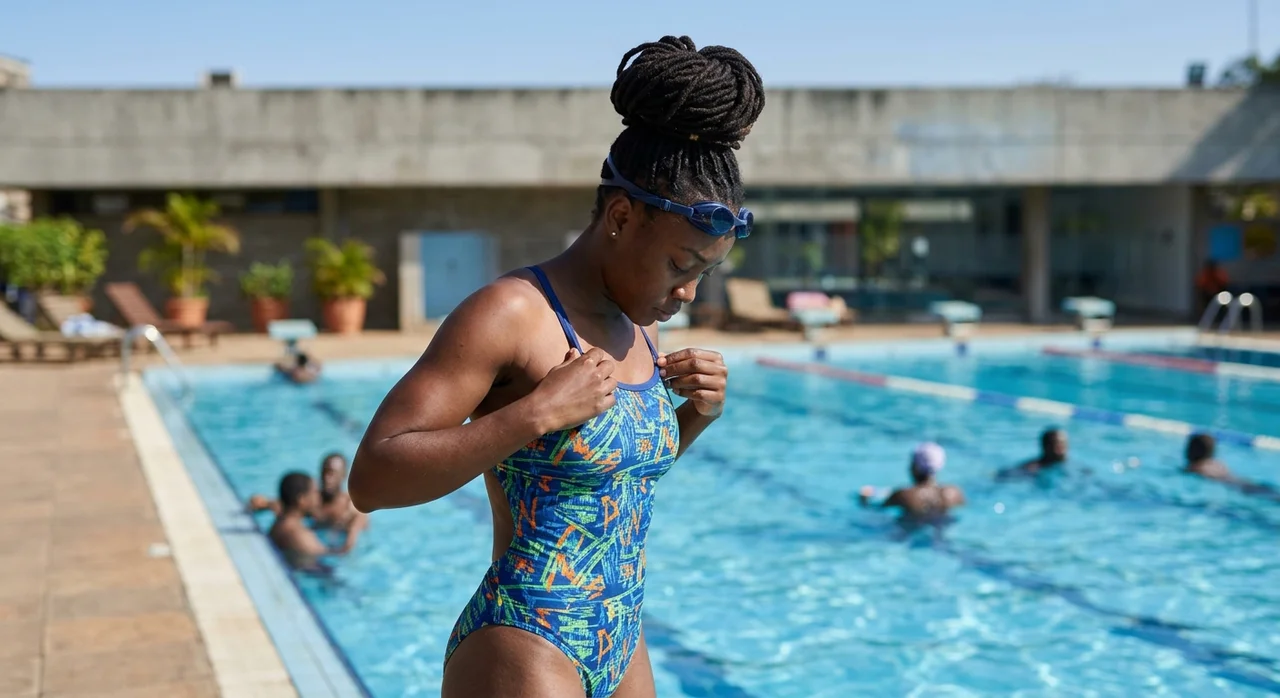
Yes, and the stage of your locs matters more than most people realise. Natural, fully mature locs are the most forgiving. They’re locked tightly enough to handle a swim without unravelling, and the main risk is dryness from chlorine or salt rather than damage to the structure itself. Starter and newly installed locs are far more fragile, since they haven’t built up the internal structure yet and can loosen or unravel if they’re left loose in the water. Temporary locs sit somewhere in between: the extension hair itself doesn’t mind water, but the wrap or crochet method holding it onto your natural hair can shift or loosen faster than you’d expect.
Stylist Tip
Swimming in Chlorinated Pools
Chlorine is the bigger long-term threat for most Nairobi swimmers, since it strips natural oils from your hair and leaves locs feeling dry and straw-like with repeated exposure. The chemical itself doesn’t damage the loc structure the way poor installation or over-retwisting can, but it does dehydrate the hair fibre, and that effect compounds every time you swim without rinsing afterward. A single pool session won’t do lasting harm. Several sessions a week without any aftercare routine will.
Swimming in the Ocean
Saltwater behaves differently from chlorine. It tends to tighten and firm up locs, which some people actually like for the texture it leaves behind, but it does this by pulling moisture out of the hair. Left untreated, that dryness builds up the same way chlorine exposure does, just through a different mechanism. Ocean swims also bring sand and salt residue that settles at the roots, so a thorough rinse matters just as much here as it does after a pool.
"Your locs can handle a swim. What they can't handle is a swim followed by nothing, no rinse, no wash, no moisture, for weeks at a time."
What to Do Before Swimming
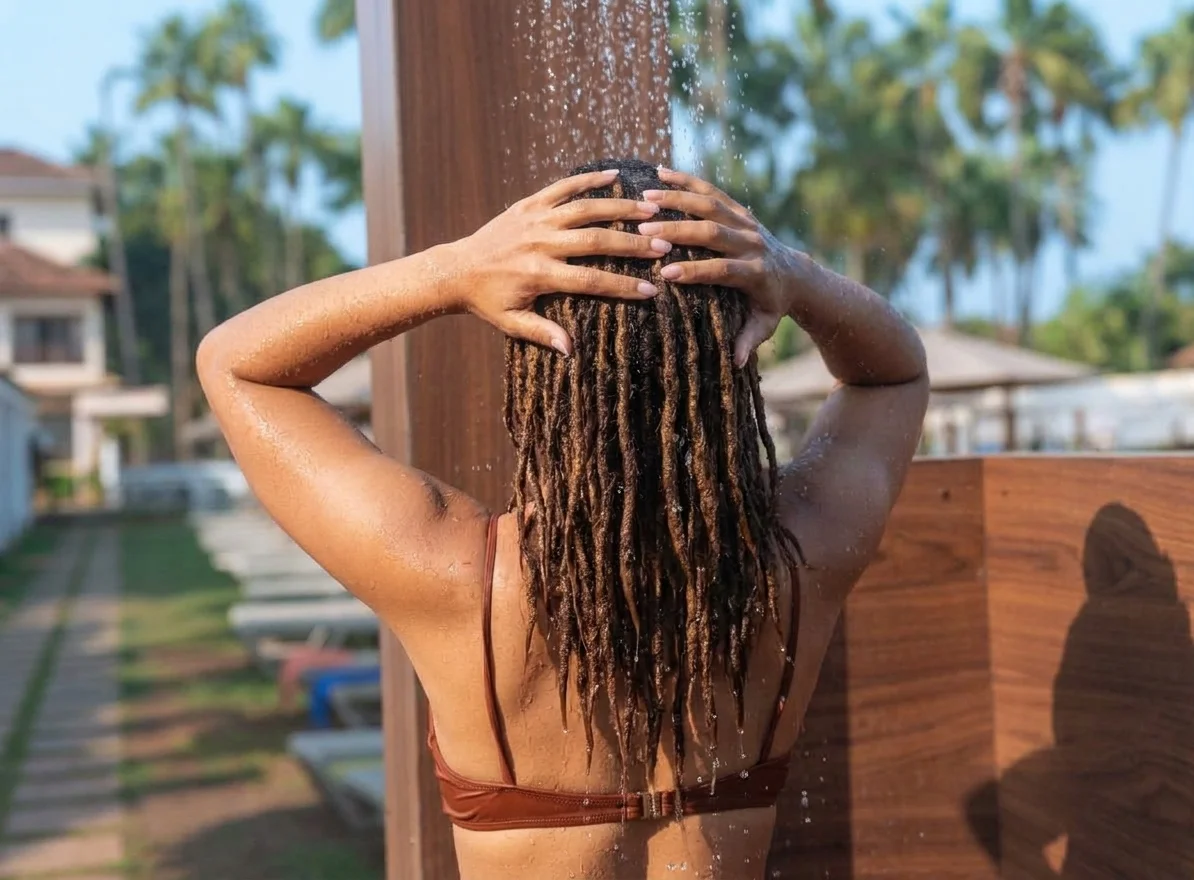
A few minutes of prep before you get in the water makes a real difference to how your locs feel afterward.
- Soak your locs in fresh, clean water first. Hair that’s already saturated absorbs less chlorine or salt than dry hair does.
- Apply a light oil as a barrier. A thin layer of jojoba or coconut oil on top of the fresh water soak helps repel pool chemicals without weighing your locs down.
- Secure your style. Tuck shoulder-length or longer locs into a bun, braid them loosely, or wear a roomy swim cap designed for locs or natural hair.
- Check with your loctician if your locs are new. If you’ve had an install in the last few weeks, confirm it’s secure enough for regular water exposure before you make swimming a habit.
What to Do After Swimming
What you do in the ten minutes after you get out of the water matters more than almost anything you do beforehand.
- Rinse with fresh water immediately. Do this every single time, even if you’re not planning to wash your hair that day.
- Wash on your normal schedule, not every swim. A full shampoo isn’t needed after every dip, but plan a proper wash within a few days if you’ve been swimming regularly.
- Dry completely before covering or sleeping. Locs hold water in the core long after the surface feels dry, so squeeze thoroughly with a microfibre towel and let them finish drying in the air rather than going to bed damp.
- Moisturise after drying. A light oil or hydrating mist replaces what the chlorine or salt pulled out.
Featured Service
Loc Retouch
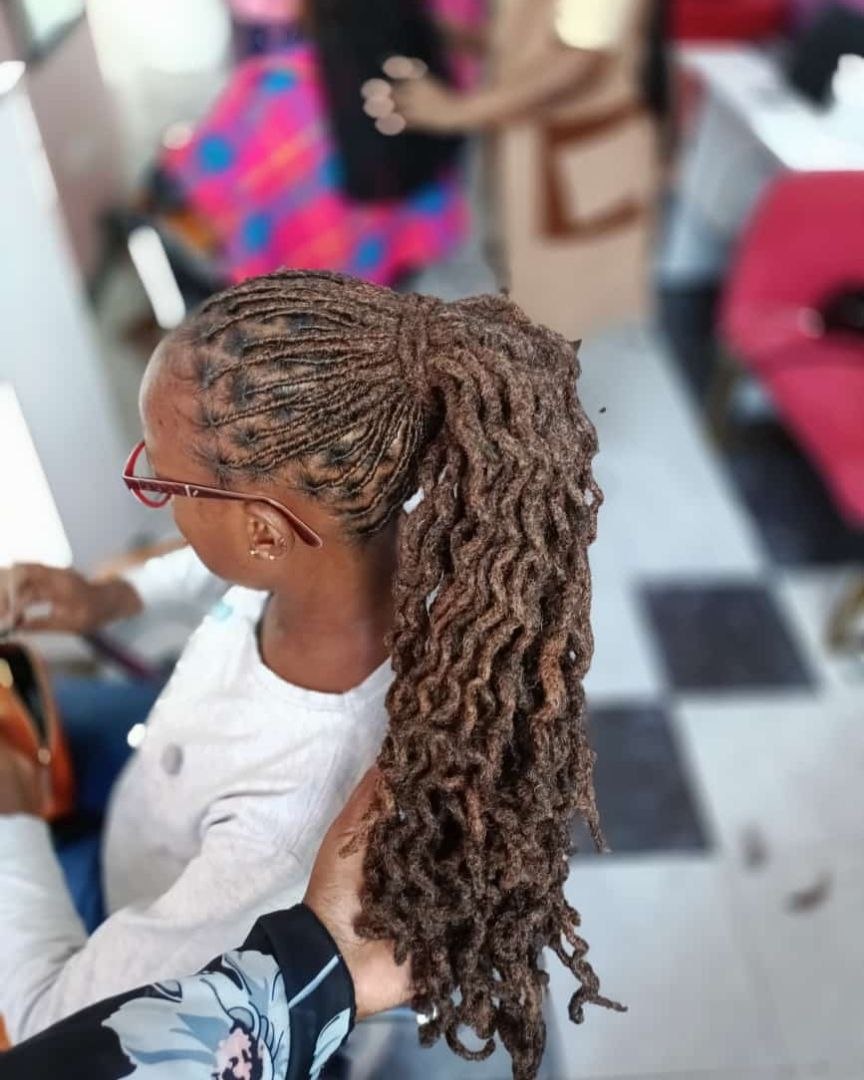
If regular swimming has left your roots loose or your locs carrying buildup, a retouch tidies things up and gets your style back on track.
Swimming with Starter Locs
Starter locs are the most vulnerable stage for swimming, since they haven’t locked into a stable rope structure yet and can unravel surprisingly easily in water. If you’re in the first few months of your loc journey, don’t skip the securing step. Put your locs into braids, twists, or a loose bun before you get in, and avoid leaving them completely loose in the water the way you might once they’ve matured. It’s also worth swimming less frequently during this stage. One careful swim a week does far less damage than daily dips while your locs are still finding their form.
Swimming with Temporary Locs
Temporary locs need their own rules, because the extension hair and the installation method both affect how they hold up in water. Soft, wrapped temporary locs can loosen at the wrap points with repeated water exposure, so frequent swimmers often find they need a retouch sooner than someone who isn’t in the pool every week. The good news is that the care routine is nearly identical to natural locs: soak, protect, rinse, dry. The difference is mainly in how often you’ll need a professional check-in. For the full picture on how long these installs hold up and what shortens their lifespan, our guide on how long temporary locs last covers it in detail.
| Mature Natural Locs | Starter Locs | Temporary Locs | |
|---|---|---|---|
| Water risk | Mostly dryness | Unravelling | Loosened wrap points |
| Securing before swim | Optional | Essential | Recommended |
| Swim frequency | Freely, with aftercare | Limit to weekly | Moderate, watch for looseness |
| Watch for | Dryness, buildup | Fraying, loose sections | Early frizz, loose roots |
Common Swimming Mistakes to Avoid
Most swimming-related loc problems come down to the same handful of habits.
- Leaving locs wet for hours. Damp locs left uncovered or tied up while still wet invite mildew and a musty smell that’s genuinely hard to remove.
- Skipping the rinse “just this once.” Chlorine and salt residue that isn’t rinsed out keeps drying your locs long after you’ve left the pool.
- Relying on products instead of water. Heavy oils or creams used as a substitute for a proper fresh water soak trap residue rather than preventing it.
- Ignoring your scalp. Sweat, chlorine and sunscreen all end up at the roots, not just on the visible length, so scalp care matters just as much as loc care. Our home loc care guide covers scalp routines in more depth if that’s where you’re struggling.