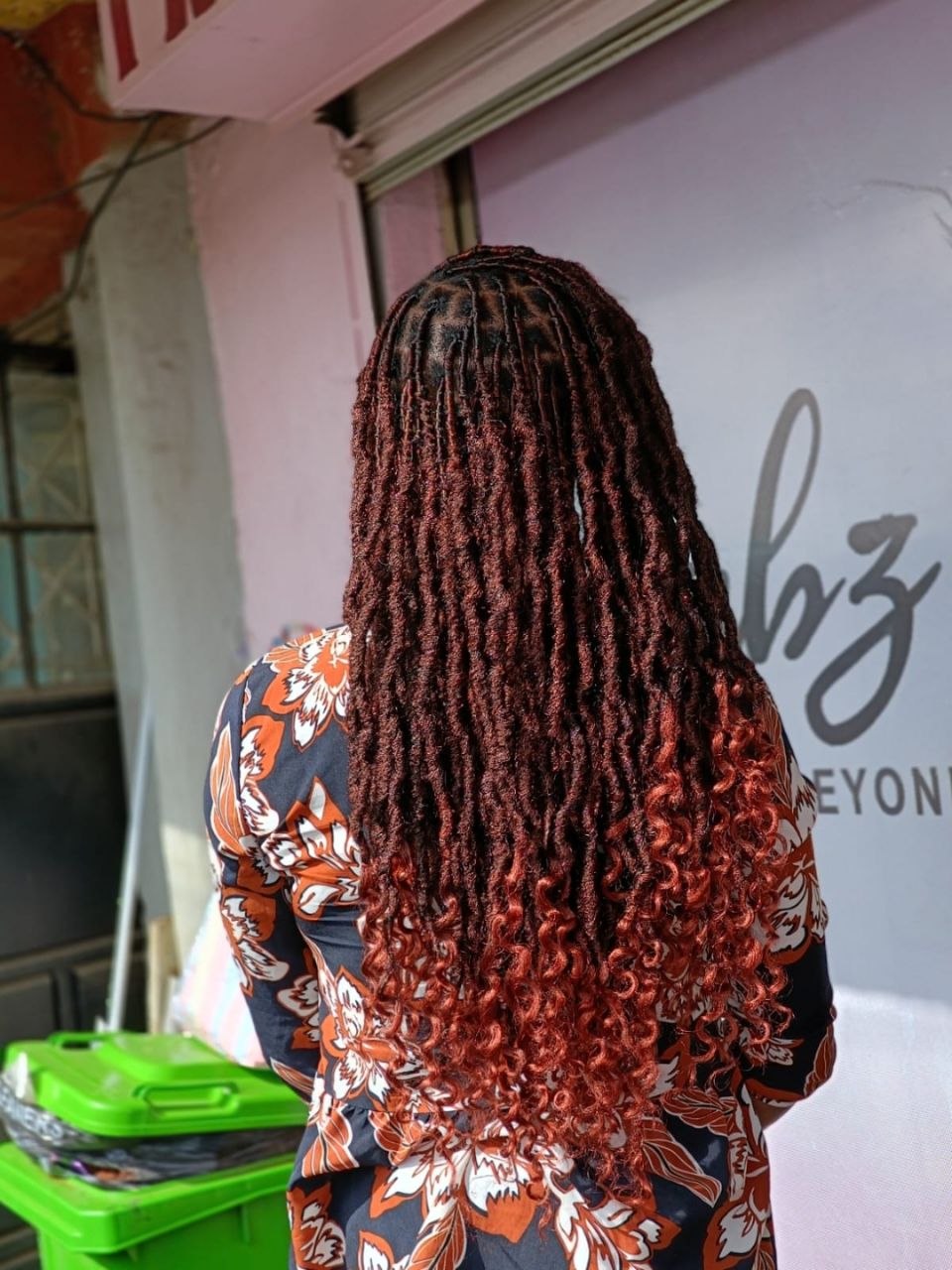
How Long Do Temporary Locs Last? + 5 Expert Care Tips
Wondering how long temporary locs last? Learn the lifespan of faux locs, soft locs, and crochet locs, plus 5 expert care tips to make them last longer while protecting your natural hair.
Temporary locs have become one of the most sought-after protective hairstyles in Nairobi, and for good reason. They offer the beauty and versatility of locs without the long-term commitment, making them perfect for anyone who wants a fresh new look while giving their natural hair a break from daily styling.
Whether you’re considering soft locs, island locs, or another temporary loc style, one question always comes up before booking an appointment: how long do temporary locs last?
The answer depends on the installation method, your hair growth, and, most importantly, how well you care for them after leaving the salon.
For most people, temporary locs last between 4 and 8 weeks before they need to be removed or refreshed. With proper maintenance, they can continue looking neat throughout that period while protecting your natural hair underneath. However, keeping them installed for too long can lead to excessive product buildup, root matting, and unnecessary tension on your hair.
At Fabz Hair & Beyond, our stylists don’t just focus on creating beautiful hairstyles. We also help clients understand how to care for them properly. In this guide, we’ll explain how long different types of temporary locs last, what affects their lifespan, and the simple maintenance habits that keep both your hairstyle and your natural hair healthy.
Key Takeaways
- Temporary locs last 4 to 8 weeks on average, depending on style and care
- Soft locs and wrapped temporary locs typically last 4 to 6 weeks
- Wash your scalp every 2 to 3 weeks, not the extensions themselves
- Protect your locs at night with a satin bonnet, scarf, or pillowcase
Understanding the Lifespan of Temporary Locs
Not every temporary loc style is created the same. The materials used, the installation technique, and your daily routine all influence how long your hairstyle stays looking fresh.
Soft Locs and Wrapped Temporary Locs (4–6 Weeks)
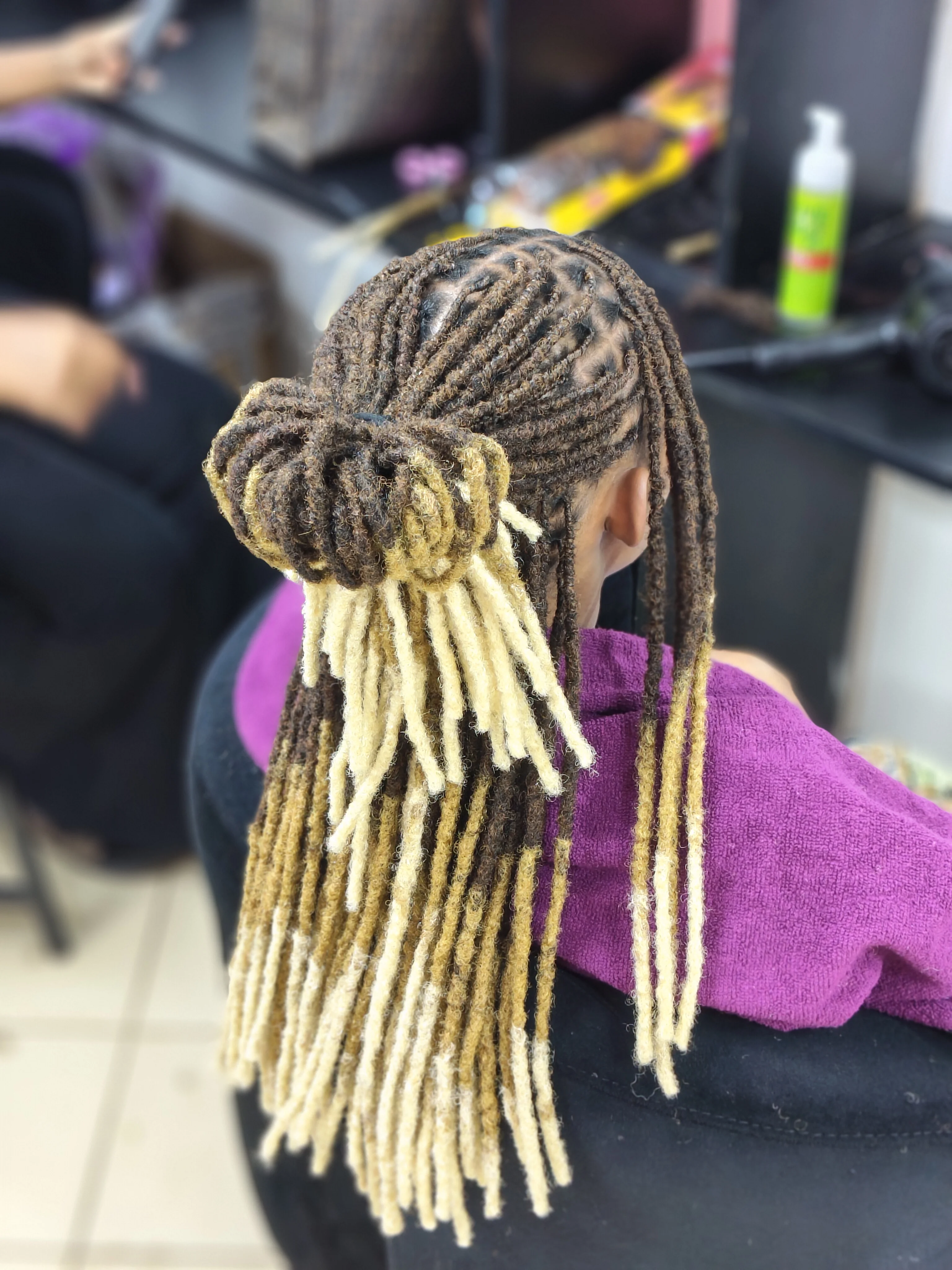
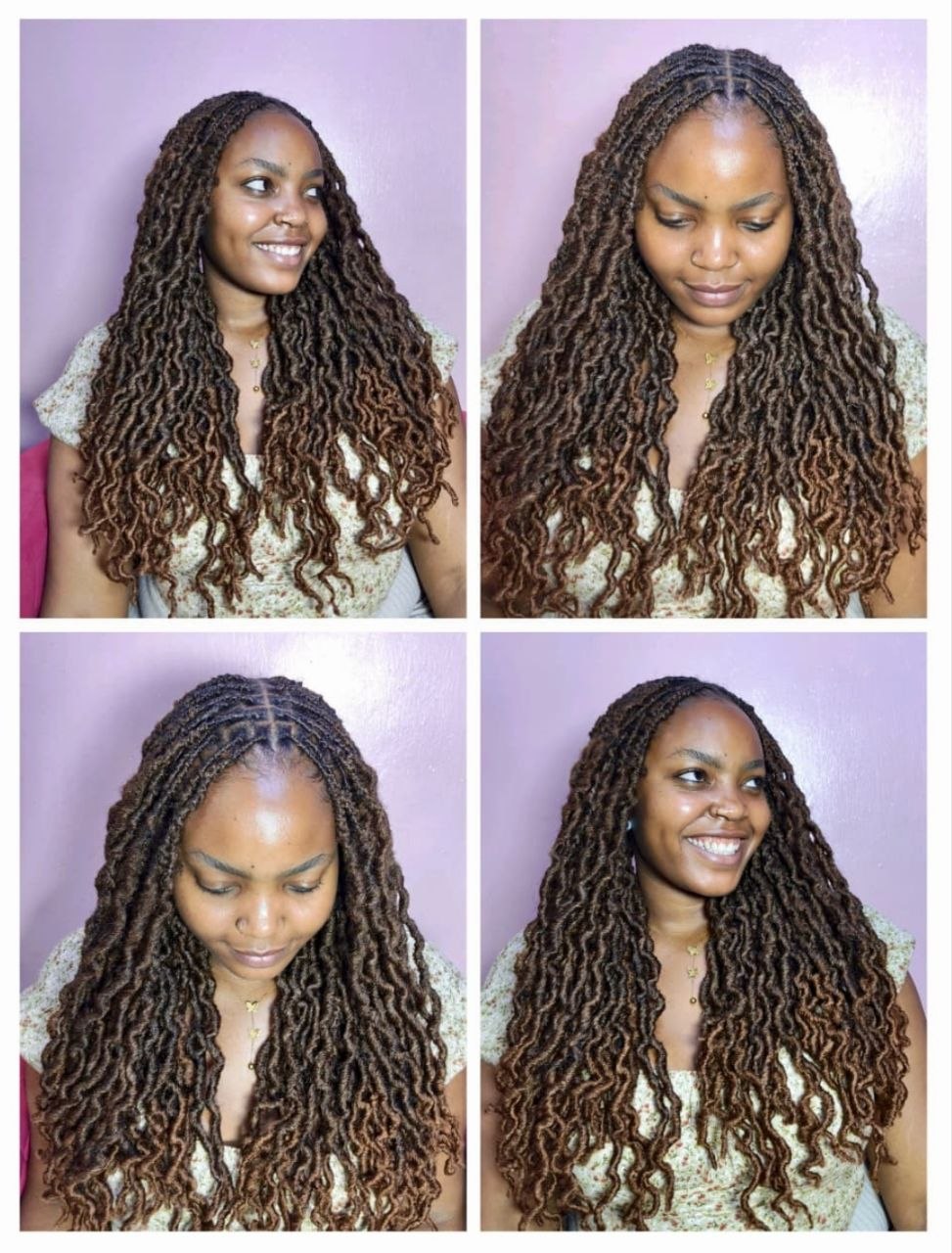
Soft locs remain one of the most popular protective hairstyles because of their lightweight feel and natural appearance. Unlike permanent locs, they’re created by wrapping extension hair around braided or twisted sections of your natural hair, giving them their signature soft, flexible finish.
Since the style relies on wrapping rather than a permanent locking technique, it’s natural for the hair to loosen over time. As your own hair grows, you’ll gradually notice frizz developing around the roots, small sections of wrapping beginning to loosen, new growth becoming more visible, and individual locs looking less defined. For most clients, this happens between four and six weeks after installation.
If you’re looking for a lightweight protective style that moves naturally while giving you endless styling options, our Soft Temporary Locs are an excellent choice. They combine comfort, versatility, and a beautifully natural finish that suits both everyday wear and special occasions.
Island Locs and Other Textured Styles
If you prefer a more effortless, bohemian look, Island Locs are another fantastic option.
Unlike traditional wrapped locs, Island Locs are intentionally textured and slightly imperfect, creating a relaxed style that remains fashionable even as a little natural frizz begins to appear.
That doesn’t mean they should be worn indefinitely. While the style naturally ages more gracefully than sleek wrapped locs, new hair growth and product buildup still require attention after several weeks.
Why Temporary Locs Shouldn’t Be Worn for Months
One of the biggest misconceptions about temporary locs is that the longer you keep them installed, the better value you get.
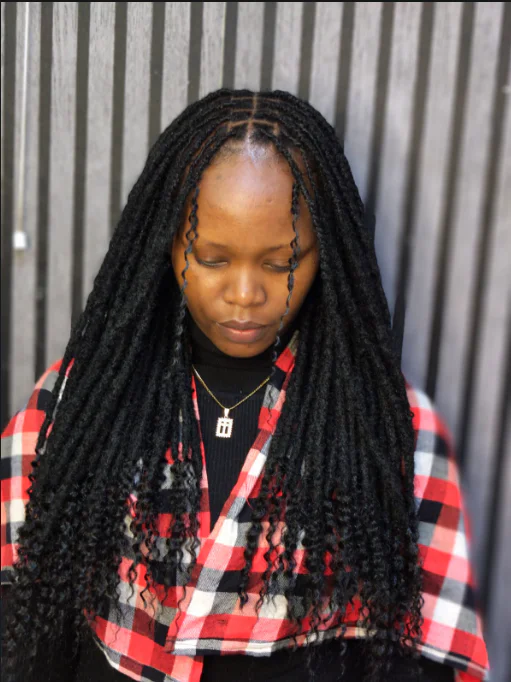
In reality, wearing any protective style beyond its recommended lifespan often has the opposite effect. As your natural hair continues growing, loose strands begin wrapping around the extensions. At the same time, everyday products, sweat, dust, and dead skin accumulate around the roots.
Eventually, this can cause root matting, excessive tangling, difficult removal, increased shedding during takedown, and unnecessary breakage.
"Protective styles are designed to protect your hair, not become permanent installations."
That’s why professional stylists generally recommend removing temporary locs once significant new growth appears, allowing your hair to be cleansed, moisturised, and prepared for your next style.
What Affects How Long Temporary Locs Last?
Although two people may leave the salon with the exact same hairstyle, one person’s locs may still look flawless after six weeks while another’s begin looking untidy much sooner.
Several factors influence how long your temporary locs remain fresh.
Installation Quality
Everything starts with proper installation. Neat sectioning, balanced tension, and secure wrapping create a strong foundation that helps your locs maintain their shape throughout their lifespan.
Poor installation often leads to early unraveling, excessive frizz, loose roots, discomfort, and shorter wear time. Choosing experienced loc specialists makes a significant difference, not only in how your hairstyle looks on day one but also in how well it lasts over the following weeks.
Your Hair Growth Rate
Everyone’s hair grows differently. Some clients notice visible new growth within three weeks, while others maintain a neat appearance for much longer.
Faster-growing hair naturally means more visible roots, greater movement within each loc, and earlier maintenance requirements. This is completely normal and doesn’t mean anything is wrong with your installation.
Your Lifestyle
Your daily routine also affects the lifespan of your hairstyle. If you exercise regularly, swim frequently, spend long hours outdoors, or sweat heavily during workouts, your temporary locs will generally require more frequent maintenance than someone with a less active lifestyle.
The good news is that a few simple care habits can dramatically extend the life of your hairstyle.
5 Expert Tips to Make Your Temporary Locs Last Longer
Temporary locs don’t stay beautiful by accident. Consistent maintenance is what keeps them looking salon-fresh from week one through to removal. Here are the professional care tips our stylists recommend to every Fabz client.
1. Start with Professional Installation
One of the easiest ways to make temporary locs last longer is choosing the right salon from the beginning. Professional installation ensures even section sizes, comfortable tension, secure attachment, a natural-looking finish, and better longevity.
At Fabz Hair & Beyond, every installation is tailored to your hair type, ensuring your protective style looks beautiful while keeping your natural hair healthy underneath.
2. Keep Your Scalp Moisturised Without Causing Buildup
One of the biggest mistakes people make with temporary locs is focusing on the locs themselves while forgetting about the hair underneath.
Remember, your natural hair is still growing and needs regular hydration. A dry scalp can become itchy, flaky, and uncomfortable, making it tempting to scratch or disturb your hairstyle.
The key is to moisturise your scalp, not saturate the extensions. We recommend using lightweight, water-based products such as rosewater sprays, aloe vera mists, or leave-in conditioning sprays designed for protective styles. Follow up with a few drops of lightweight oils like jojoba, grapeseed, or argan oil if your scalp feels particularly dry.
Avoid applying heavy creams, waxes, or thick oils directly onto the body of the locs. While they may seem moisturising, they often attract lint and dust, creating stubborn buildup that’s difficult to remove.
Stylist Tip
3. Protect Your Locs Every Night
What you do while you sleep has a surprisingly big impact on how long your hairstyle lasts. Cotton pillowcases create friction every time you move during the night. Over time, this friction causes frizz, loose wrapping, dryness, flyaway hairs, and faster wear around your edges.
Fortunately, preventing this is simple. Before bed, protect your locs with either a satin bonnet, a silk scarf, or a satin pillowcase for extra protection.
Stylist Tip
4. Wash Your Hair the Right Way
A common myth is that temporary locs shouldn’t be washed. In reality, clean protective styles last longer than dirty ones.
Sweat, natural oils, environmental dust, and product residue build up on your scalp over time. Ignoring this can lead to itching, unpleasant odours, and excessive buildup around the roots.
The safest approach is to wash your scalp every two to three weeks. Dilute your shampoo with water, apply it directly to your scalp, gently massage using your fingertips, and let the shampoo rinse through the locs naturally. Avoid aggressively scrubbing or twisting the extensions.
After washing, take your time drying the hair completely. Temporary locs can retain moisture for several hours, especially if they’re long or thick. Sleeping with damp locs or tying them up before they’re fully dry may lead to unpleasant smells and mildew developing inside the extensions. If possible, allow your hair to air dry in a well-ventilated space or sit under a hooded dryer until completely dry.
5. Avoid Hairstyles That Pull on Your Roots
Temporary locs are incredibly versatile, but that doesn’t mean every hairstyle is suitable for everyday wear. Constantly wearing tight ponytails, high buns, tight half-up styles, or heavy top knots places continuous tension on your roots. Over time, this tension can weaken the hairline and contribute to traction alopecia.
Instead, alternate between wearing your locs down and choosing looser protective styles that don’t pull excessively on your scalp. You should also avoid repeatedly twisting the roots with your fingers. Although it may seem harmless, this habit gradually loosens the installation and creates unnecessary frizz around the base of each loc.
Small habits like these make a significant difference over several weeks.
When Should You Visit Your Stylist?
Temporary locs don’t always need replacing immediately, but they do benefit from professional maintenance.
Rather than waiting until your hairstyle looks untidy, it’s better to book a salon appointment as soon as you notice excessive new growth, loose locs, frizz that’s becoming difficult to manage, or product buildup around the roots. For most clients, this happens around four to seven weeks after installation.
A professional maintenance appointment allows your stylist to refresh your roots, tidy loose sections, assess the health of your scalp, and advise whether your locs should be refreshed or removed.
Featured Service
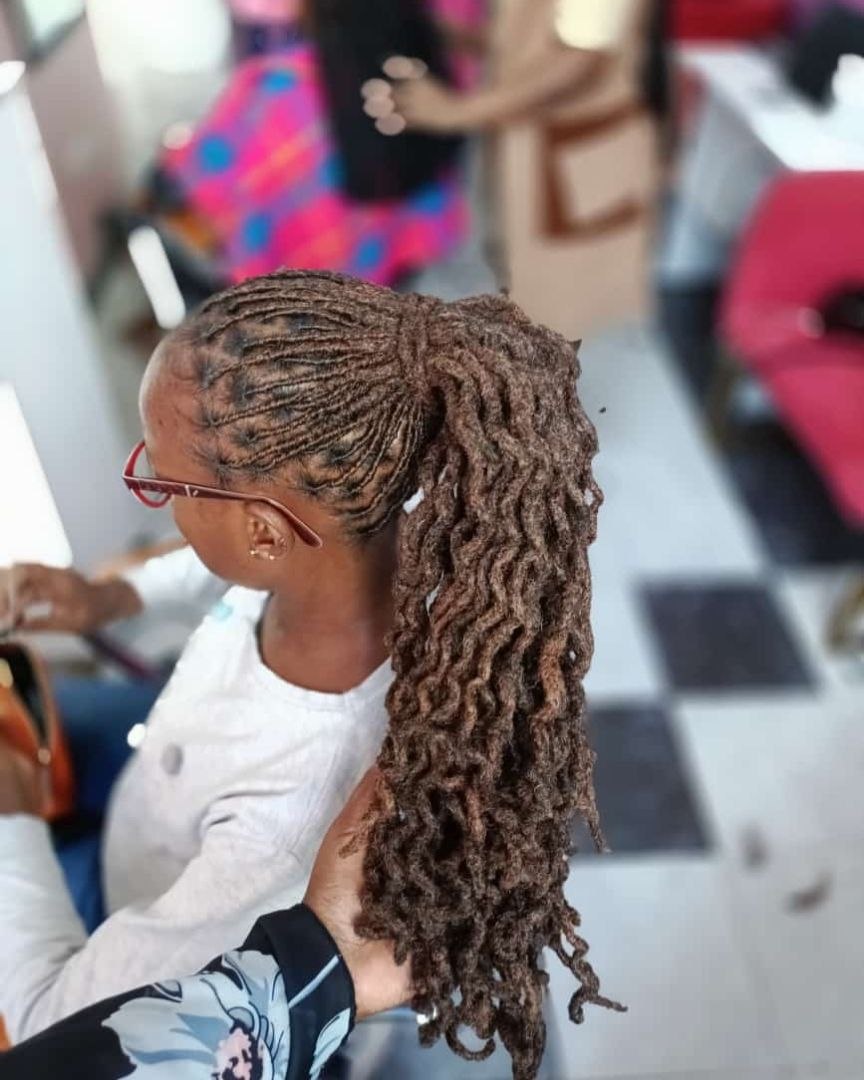
Retouch
We'll tidy up your new growth, re-tighten the roots, and bring your locs back to life, so you leave looking fresh without starting from scratch.
If you’re planning to invest in professional loc care, you may also find our guide to the Best Locs Salon in Nairobi helpful.
Signs It’s Time to Remove Your Temporary Locs
Many clients ask us how they’ll know when it’s time to take their locs out. While the exact timing varies from person to person, there are a few clear signs that shouldn’t be ignored.
Your temporary locs are usually ready for removal if you notice more than a few centimetres of new growth, persistent itching despite washing, heavy product buildup, locs becoming loose at the roots, tangling between your natural hair and the extensions, or difficulty styling the hair neatly.
Removing temporary locs at the right time gives your natural hair an opportunity to rest, receive a deep conditioning treatment, and prepare for your next protective style. Many of our clients rotate between different styles throughout the year, allowing them to enjoy versatility while maintaining healthy hair.
For those considering a more relaxed, bohemian look, our Wavy Soft Locs are one of our favourite options, combining beautiful texture with lightweight comfort that’s perfect for everyday wear.
Frequently Asked Questions
Why Choosing the Right Salon Matters
A beautiful protective style starts long before the final loc is installed. The products used, sectioning technique, and level of tension all play a role in how your hairstyle looks and how well it protects your natural hair.
At Fabz Hair & Beyond, we believe protective styles should do exactly what their name suggests: protect your hair while helping you look and feel your best. Our stylists take time to understand your hair type, lifestyle, and desired look before recommending the most suitable temporary loc style. Whether you want a sleek, polished finish or a more relaxed bohemian look, we focus on creating styles that are comfortable, long-lasting, and easy to maintain.
If you’re unsure which loc style is right for you, our team at our Embakasi, CBD, or Kitengela studios is always happy to guide you through the options and recommend a style that complements your hair and personal style.
Final Thoughts
So, how long do temporary locs last? For most people, the answer is between four and eight weeks, depending on the installation method, your hair growth, and how well you care for them.
The secret isn’t trying to wear them for as long as possible, it’s maintaining them properly while they’re installed and removing them at the right time. Regular scalp care, gentle washing, nighttime protection, and professional maintenance all help your hairstyle stay fresh while protecting your natural hair underneath.
When it’s time for your next protective style, choosing experienced stylists makes all the difference. From installation to aftercare advice, the right salon will help you enjoy beautiful results without compromising the health of your hair.
Related Reading
If you’re still exploring your options, these guides can help you choose the perfect style and prepare for your next appointment: